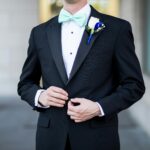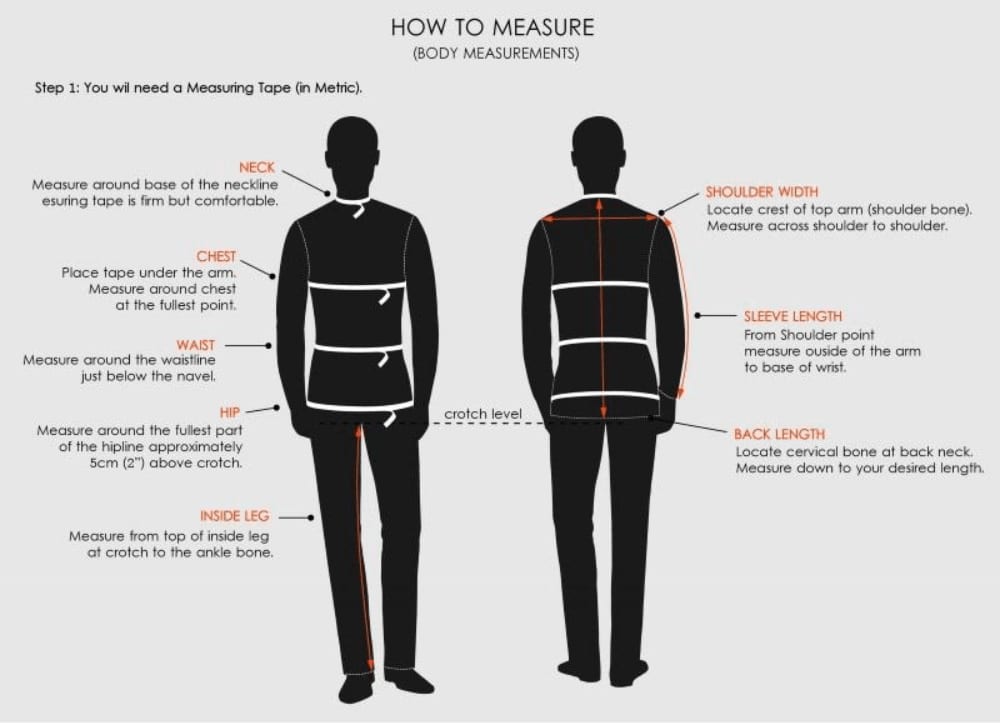

Can You Wear a Suit Without a Tie?
Yes, you can wear a suit without a tie. In fact, it’s perfectly acceptable for business-casual, cocktail, and social events, where a tieless look creates a stylish, modern, and comfortable finish. The key is execution.
A well-tailored suit is essential, as any issues with fit become more noticeable without a tie drawing the eye. Pair it with a crisp, high-quality shirt, leave one or two buttons undone for a relaxed but intentional feel, and consider adding a pocket square or quality watch to maintain polish. When done correctly, the look feels confident rather than incomplete.
That said, it should be avoided for black tie occasions and traditional formal business settings. And when it comes to weddings, the answer depends on your role, the venue, and the dress code.
When Is It Appropriate to Wear a Suit Without a Tie?
Wearing a suit without a tie works best when the dress code leans toward relaxed sophistication rather than strict formal expectations. The setting, time of day, and overall tone of the occasion should guide your decision.
Done intentionally, a tie-less approach looks modern and confident. Done in the wrong environment, it can feel unfinished or even sloppy.
Here’s how to tell the difference:
Summer Weddings and Outdoor Ceremonies
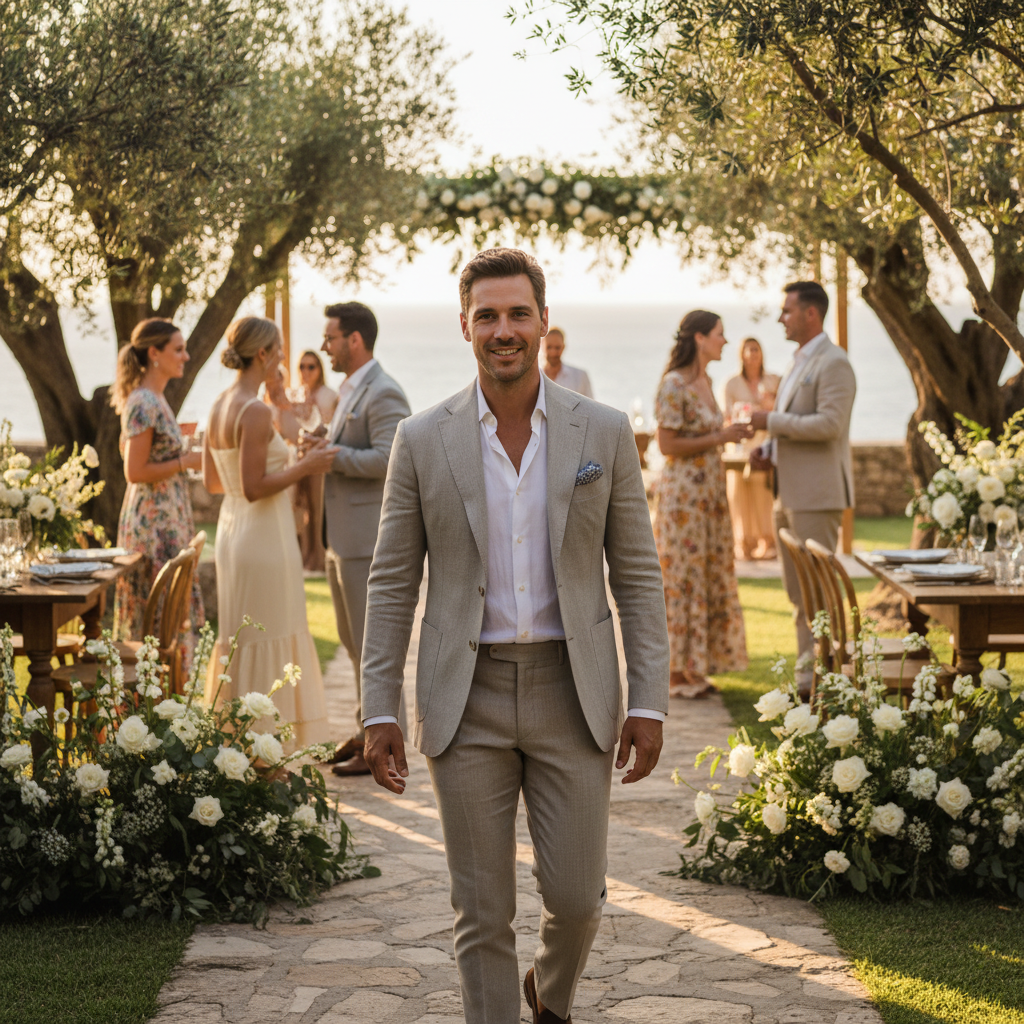
Summer wedding ceremonies are one of the most natural environments to wear a suit without a tie.
Garden venues, beach ceremonies, and daytime receptions often call for a more casual aesthetic and breathable clothing. In warm conditions, exposing the neck helps keep you cool, and softer fabrics like linen or cotton blends feel appropriate.
Guests at relaxed outdoor wedding events can generally go tieless with confidence. For grooms, the decision should be more deliberate.
The more formal the venue or the later the ceremony, the more carefully the choice should be considered.
A structured navy suit may still require a necktie to match the dress code.
Cocktail and Smart-Casual Events
Cocktail events, engagement parties, race days, and smart evening dinners are ideal settings to wear a suit without a tie. These events sit between formal and casual, which makes an open collar look refined without feeling overdressed.
A well-fitted suit paired with a crisp dress shirt and other accessories creates balance. The absence of a necktie softens the overall outfit while maintaining structure.
This is where a more casual look works well, especially when supported by sharp shoes and a clean jacket silhouette.
Creative Workplaces and Modern Offices
In creative industries and modern corporate environments, wearing a suit without a tie is increasingly common.
Marketing agencies, tech firms, networking events, and after-hours business functions often favour a contemporary style over traditional business attire.
If leadership regularly adopts the tieless look, it signals that the environment supports it. The key remains sharp tailoring and intentional style.
When You Should Always Wear a Tie
There are still clear situations where a tie is expected.
Black tie events and the black tie dress code require a bow tie. Formal evening wedding receptions, conservative corporate settings, and high-level meetings typically call for a tie.
If the event feels structured or traditional, wearing a necktie shows respect for the occasion. When in doubt, it is safer to wear a suit with a tie and remove it later if appropriate.
How to Wear a Suit Without a Tie (And Still Look Polished)
Without a tie acting as a focal point, attention shifts to your shirt collar, lapels, belt buckle, and overall fit.
Every detail becomes more noticeable.
To ensure the look feels intentional rather than incomplete, follow these rules carefully.
1. Choose the Right Suit
Highly structured dark worsted wool suits in navy or charcoal are traditionally designed to be worn with a tie and can look unfinished without one.
Instead, go for softer tailoring and relaxed fabrics. Linen, cotton, textured wool, flannel, and lighter-coloured suits naturally support a tieless suit style.
Fit is critical. Aim for slim but not tight. Shoulders should sit cleanly without pulling, and the jacket length must remain balanced over your trousers. Without a tie, a poor fit becomes more obvious.
A blazer in a softer fabric can also work for a more casual look.
2. Pick a Crisp, High-Quality Shirt
Once the tie is removed, your dress shirt becomes the visual anchor. Choose a crisp, structured shirt that holds its shape.
A button-down collar or structured spread shirt collar works well. Avoid wide cutaway collar styles that can appear floppy without a tie.
Subtle texture helps draw attention upward. Ensure the collar stays in place and the shirt is properly pressed. A collapsing collar instantly undermines your appearance.
Never wear a t-shirt under a formal suit, as this disrupts the balance of the outfit.
3. Follow the Button Rule
Keep it simple: one or two buttons undone, never more than that.
If wearing an undershirt, choose a V-neck undershirt so it remains hidden beneath the dress shirt. A visible undershirt immediately reduces the comfort level and polish of the attire.
Always leave the top button open when not wearing a tie.
4. Replace the Tie with Smart Accessories
Removing a tie removes a visual focal point. Balance the outfit with smart accessory choices.
A patterned pocket square adds colour and depth. A lapel pin can introduce personality.
A quality watch with a leather strap that matches the same colour as your belt creates cohesion.
Your belt buckle and cufflinks should also match in tone.
Other accessories, like a scarf or even a sleeveless cardigan in cooler weather, can replace the missing neckwear.
Clean leather shoes become even more important, as the absence of a tie can draw attention downward.
5. Fit Is Non-Negotiable
This is where most tieless suit attempts succeed or fail.
Without a tie:
- Collar gaps become obvious
- Loose lapels stand out
- Shoulder fit becomes more noticeable
- Shirt bunching becomes distracting
A properly fitted suit creates structure and confidence. When the tailoring is correct, wearing a suit without a tie feels deliberate, sleek, and elegant rather than incomplete.
At Penguins Formalwear, we treat fit as the foundation of every outfit.
Can the Groom Wear a Suit Without a Tie?
A groom sets the tone for the entire wedding ceremony.
Going without a tie can look modern and confident, but only if it aligns with the overall dress code.
When It Works
Under a black tie dress code or at a highly formal event, a tieless look may appear underdressed.
Dark, structured navy suit options often benefit from a necktie to maintain balance.
When It Looks Unfinished
In formal, traditional, or evening-focused settings, a tieless groom may appear underdressed. Grand venues and black-tie dress codes typically require a tie or bow tie.
Highly structured dark suits also tend to look incomplete without neckwear.
In these cases, a tie often finishes the silhouette.
Matching Groomsmen Considerations
Consistency matters. If the groom chooses to wear a suit without a tie, the groomsmen should match that decision.
Photography Impact
Photography highlights the upper half of the body. Without a tie, the shirt collar and lapels become focal points.
Poor fit becomes obvious.
Coordinating With the Bride’s Formality
The groom’s outfit should complement the bride’s level of formality. If the bride is wearing a highly structured, traditional gown, a completely tieless look may feel mismatched. On the other hand, if the dress is relaxed, modern, or minimalist, a suit without a tie can feel perfectly aligned.
The goal is harmony. The groom’s attire should enhance the overall tone of the wedding rather than compete with it.
When styled thoughtfully and matched to the venue, season, and bridal aesthetic, a groom can confidently wear a suit without a tie. The difference lies in the details and, above all, in the fit.
Suit Fabrics That Work Best Without a Tie
Fabric plays a major role in whether a suit looks natural without a tie. Some materials are inherently relaxed and breathable, making them ideal for an open-collar style.
Others are traditionally associated with formal settings and can feel incomplete without neckwear. Choosing the right fabric helps the tieless look feel intentional rather than accidental.
Linen
Lightweight and breathable, linen is ideal for summer weddings and outdoor events.
Its texture softens the look and pairs naturally with lighter tones.
Cotton Blends
Cotton or cotton-blend suits balance structure and comfort.
They work well for daytime events and smart-casual occasions.
Textured Wool
Textured wool adds visual depth, preventing the suit from appearing flat.
It works well across spring and autumn events.
Tweed for Winter
For winter weddings and country venues, tweed offers warmth and character.
Its texture carries enough presence that a tie is not always necessary.
Flannel
Flannel provides softness and seasonal warmth while maintaining structure.
It works particularly well for winter dinners and creative business settings.
Fabrics to Avoid
Highly formal dark worsted wool with satin finishes is traditionally designed for ties. These suits often look incomplete when worn open at the collar.
Season matters. Lightweight fabrics naturally suit summer, while textured, heavier materials allow a tieless approach in winter.
Choosing fabric with intention ensures the look feels deliberate rather than accidental.
Learn More about Wearing a Suit Without a Tie at Penguins Formal Wear Today!
Wearing a suit without a tie can look modern, refined, and confident when it’s styled with intention and tailored correctly. The right fit, fabric, and attention to detail make all the difference between relaxed sophistication and an unfinished appearance.
Whether you’re preparing for a wedding, special event, or smart-casual occasion, our team at Penguins Formal Wear can help you find the perfect suit and guide you on how to wear it with confidence.
Contact or visit us today to explore your options and create a look that feels sharp, cohesive, and perfectly suited to your event.